A Complete Homeowner’s Checklist for Seasonal Plumbing + HVAC Readiness
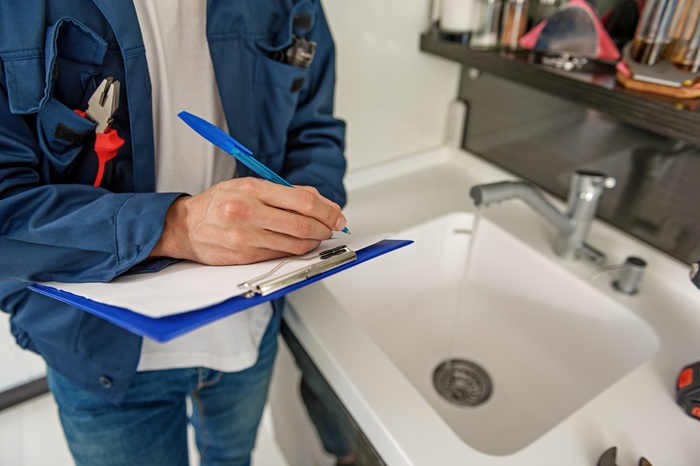
Every season in Minnesota brings unique challenges for homeowners striving to maintain reliable plumbing and HVAC systems. From frozen pipes in winter to clogged condensate drains in summer, seasonal maintenance directly affects system efficiency, energy consumption, and home comfort.
Knowing what to inspect and when to service equipment helps prevent costly breakdowns, sustain performance, and extend the lifespan of key components. Modern Plumbing & Heating emphasizes that preparedness begins long before the season changes, with structured maintenance and attention to detail across plumbing and climate systems.
Seasonal Plumbing Checks for Spring, Summer, Fall, & Winter
Each season impacts plumbing in different ways. Spring is ideal for inspecting fixtures and drainage after snowmelt. Check outdoor hose bibs, sump pump operation, and inspect for cracks caused by winter frost.
Summer maintenance should include testing water pressure, inspecting sprinkler backflow devices, and flushing water heaters to remove mineral buildup from higher seasonal usage.
Fall is the time to drain outdoor lines, inspect shutoff valves, and confirm all exterior faucets are frost-proof.
During winter, monitor for condensation or freezing near exposed pipes, especially in crawl spaces or exterior walls.
Routine inspection of plumbing vent stacks and drain traps prevents air blockages that can lead to slow drainage or sewer gas leaks. For homes with older galvanized or copper piping, periodic corrosion checks and water hardness testing help prevent premature wear.
Many homeowners also integrate plumbing inspections into seasonal home maintenance schedules to identify unseen leaks or insulation gaps before they escalate.
By adhering to this seasonal schedule, plumbing systems remain balanced year-round. Seasonal care supports efficient water delivery, minimizes stress on seals and joints, and maintains sanitary conditions across both interior and exterior systems.
Critical Heating System Maintenance Before Minnesota Winters
Minnesota’s subzero winters demand rigorous preparation of heating equipment. Before temperatures fall, a complete inspection of the furnace, heat exchanger, blower motor, and ignition system is essential.
Combustion analysis ensures efficient fuel use, while verifying draft pressure and flue integrity prevents carbon monoxide risks. Filters should be replaced, belts tensioned, and bearings lubricated. System calibration, including thermostat testing and flame sensor cleaning, is necessary to prevent emergency breakdowns during peak load periods.
Air ducts require inspection for leaks or blockages that reduce airflow efficiency. Heat pumps and boilers benefit from annual safety valve testing and sediment flushing. Any gas line connection must be checked with leak detection solutions. A pre-winter tune-up of an HVAC system ensures balanced heat distribution and improved fuel economy.
Maintaining heating systems before the first frost reduces strain on components during extended operation. Preventive maintenance allows technicians to detect weak igniters, corroded heat exchangers, or undersized return ducts early, ensuring dependable comfort throughout the winter season.
Preparing Cooling Systems for Peak Summer Efficiency
Efficient cooling requires a complete mechanical and airflow review. Filters should be replaced or cleaned monthly during operation.
Coils—both evaporator and condenser—must be cleaned to remove debris that restricts heat transfer. Condensate drain lines should be flushed to prevent overflow and mold formation. Checking refrigerant charge and system pressure verifies that the compressor operates within manufacturer specifications, preventing inefficiency or early compressor failure.
Fan motors and capacitor performance should be tested for consistent startup current. Duct insulation integrity should be verified to prevent energy losses in unconditioned spaces.
Outdoor units should be cleared of vegetation and obstructions to maintain proper airflow. For homeowners using programmable thermostats, verifying temperature differential and cycling patterns enhances both comfort and energy efficiency.
Modern HVAC systems also benefit from smart diagnostic tools that log performance variations throughout the summer. These checks, performed early in the cooling season, significantly reduce mid-season breakdown risk and extend compressor life through stable operating conditions.
Preventative Plumbing Tasks That Reduce Freeze Damage Risk
Frozen plumbing is a major cause of property damage in cold climates. To prevent freezing, all exterior hoses should be disconnected and drained before first frost.
Exposed pipes in basements, crawl spaces, and garages should be wrapped with UL-rated heat tape or foam insulation. Shutoff valves for outdoor lines should be closed, and residual water purged. Any gaps where pipes enter the home should be sealed with weather-resistant caulk or expanding foam to eliminate drafts that cause localized freezing.
Interior plumbing located near exterior walls can be shielded using insulation boards or rerouted through warmer zones if persistent freezing occurs. Sump pump discharge lines should slope downward to prevent standing water from freezing.
Homeowners with secondary vacation properties should set thermostats no lower than 55°F and open cabinet doors under sinks to maintain airflow during extended absences.
Comprehensive freeze prevention not only preserves plumbing integrity but also mitigates structural risks from burst pipes and water intrusion. These proactive measures safeguard both residential plumbing and surrounding building materials during prolonged freezes.
Scheduling & Budgeting Seasonal Tune-ups to Extend System Life
Coordinating maintenance across plumbing and HVAC systems requires a consistent schedule. The most effective approach is biannual service—once in spring before the cooling season and once in fall before the heating season.
This rhythm allows time to correct minor issues before system demand peaks. Maintenance logs should track inspection results, part replacements, and service intervals to optimize timing and costs.
Budgeting for preventive service is cost-effective compared to emergency repairs. The average HVAC tune-up costs significantly less than compressor or furnace replacement. Allocating maintenance funds across plumbing, heating, and cooling extends system life by maintaining stable operation and preventing neglected wear.
Homeowners can consult Modern Plumbing & Heating for detailed maintenance plans or contact their preferred service provider to schedule seasonal inspections aligned with manufacturer warranties. Routine upkeep preserves efficiency, prevents system fatigue, and maintains consistent comfort levels throughout the year.
Professional Support for Year-Round Plumbing & HVAC Readiness
Modern Plumbing & Heating combines proven methods with advanced diagnostic equipment to deliver comprehensive maintenance solutions across plumbing, heating, and cooling systems. Our technicians apply precision service protocols aligned with manufacturer standards.
Whether preparing for seasonal change or resolving system inefficiencies, our commitment reflects our motto: “Old school integrity with a modern touch.”
For expert advice, professional inspection, or to schedule preventive maintenance, contact us at 763-639-1632 or visit contact us today to plan your seasonal system readiness.