How Does a Residential Drain and Sewer System Work From Your Home To The City Line?
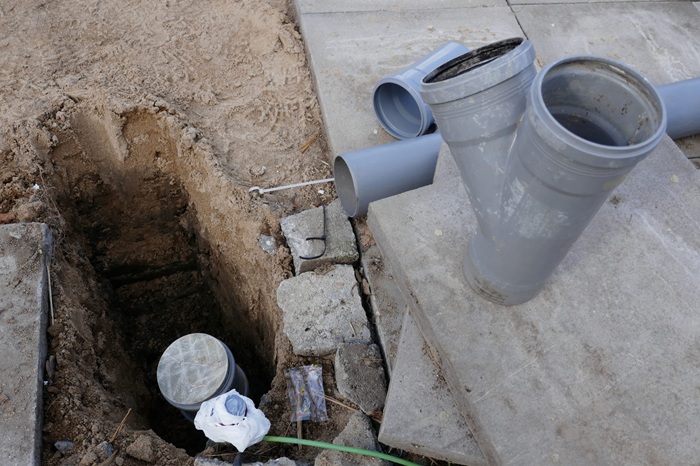
Every time water disappears down a sink, shower, or toilet, it begins a carefully engineered journey that most homeowners never see. A residential drain and sewer system is designed to move wastewater efficiently and safely from your home to the municipal sewer line, using a combination of gravity, ventilation, and properly connected piping. Understanding how this system works helps explain why certain plumbing issues occur and how each component plays a role in maintaining proper flow. Companies like Modern Plumbing & Heating regularly work with these systems, giving them direct insight into how each part functions under real-world conditions.
From the way individual fixtures connect to branch lines, to how vent pipes regulate pressure and prevent sewer gases from entering your home, each step in the process is critical. Wastewater travels through a network of pipes before reaching the main sewer line and eventually the city connection. Along the way, issues such as blockages, root intrusion, and pipe wear can disrupt performance. This article breaks down each stage of the process, including fixture connections, venting systems, sewer line transitions, and maintenance needs, so you can better understand how your drain and sewer system operates from start to finish.
Understanding the Full Pathway of a Residential Drain and Sewer System
A residential drain and sewer system operates as a gravity-driven network designed to transport wastewater away from a home efficiently and safely. The system begins at individual plumbing fixtures and progresses through a series of interconnected pipes that ultimately lead to the municipal sewer system. Each component is engineered to maintain proper flow, prevent contamination, and ensure that wastewater does not return into the living space. This entire process depends on precise pipe sizing, correct slope, and unobstructed pathways.
Within the home, wastewater enters smaller branch drain lines that connect to larger pipes known as the building drain. This building drain collects discharge from all fixtures and directs it toward the building sewer, which exits the home through the foundation wall or slab. The slope of these pipes is critical, as gravity is the primary force moving waste. Without proper grading, solids can settle and cause blockages over time.
Once wastewater leaves the structure, it travels through the sewer lateral, a buried pipe that connects the home’s plumbing system to the municipal sewer main. Municipal systems are typically located beneath streets and collect wastewater from multiple properties. This coordinated system ensures that waste is transported to treatment facilities where it can be processed safely before being released or reused.
How Plumbing Fixtures Connect to the Main Drain Line
Every plumbing fixture within a home is connected to the drainage system through a network of branch lines. Sinks, toilets, bathtubs, showers, and appliances like washing machines each have individual drain connections that carry wastewater into localized pipes. These branch lines are typically smaller in diameter and designed to handle the output of a single fixture or a small group of fixtures.
Each fixture is also equipped with a trap, a curved section of pipe that holds water and prevents sewer gases from entering the home. From the trap, wastewater flows into the branch line and continues toward larger pipes. Toilets, due to their higher waste volume, connect directly to larger drain lines, while sinks and smaller fixtures connect through narrower piping before joining the main system.
All branch lines eventually merge into the main drain line, also known as the building drain. This central pipe is the primary channel that carries wastewater out of the home. The design of this system ensures that all waste streams combine efficiently while maintaining consistent flow. Proper installation and maintenance of each connection point are critical to preventing leaks, clogs, and backups within the drain and sewer system.
The Function of Vent Pipes in Residential Drainage Systems
Vent pipes are an essential but often overlooked component of residential plumbing systems. These pipes extend vertically from the drainage system and typically exit through the roof. Their primary purpose is to regulate air pressure within the pipes, allowing wastewater to flow smoothly without creating suction or vacuum conditions that could disrupt drainage.
When water moves through a drain pipe, it displaces air. Without proper venting, this movement can create negative pressure, which may slow drainage or even siphon water out of traps. When traps lose their water seal, sewer gases can enter the home, creating both health risks and unpleasant odors. Vent pipes prevent this by allowing air to enter the system and equalize pressure.
In addition to maintaining pressure balance, vent systems also provide a safe pathway for sewer gases to escape above the home. This design keeps harmful gases from accumulating inside the plumbing system. Proper vent placement and sizing are necessary to ensure that all fixtures drain correctly and that the system remains safe and functional.
How Wastewater Travels from the Main Sewer Line to the City Connection
After wastewater exits the home through the main drain, it enters the building sewer, also referred to as the sewer lateral. This underground pipe carries wastewater from the property to the municipal sewer main, which is typically located beneath nearby streets or public right-of-ways. The sewer lateral is a critical component, as it represents the final segment of privately maintained piping.
The movement of wastewater through the lateral line continues to rely on gravity. Proper slope and pipe condition are essential for maintaining consistent flow. Any disruption, such as a sagging pipe or buildup of debris, can slow or block the movement of waste. Once wastewater reaches the municipal connection point, it enters a much larger system designed to handle the combined flow from multiple homes and buildings.
Municipal sewer systems are engineered with larger pipes, pumping stations, and treatment facilities to process wastewater safely. These systems transport waste to treatment plants where contaminants are removed before water is discharged or reused. The transition from private to public infrastructure is seamless when the residential system is functioning correctly and free of obstructions.
Common Sewer System Problems and Preventative Maintenance Practices
Residential sewer systems are subject to a range of issues that can develop over time. Blockages are among the most common problems and are often caused by grease buildup, foreign objects, or accumulated debris within the pipes. These obstructions can restrict flow and lead to backups, which may affect multiple fixtures within the home.
Tree root intrusion is another frequent issue, particularly in older systems or areas with mature landscaping. Roots naturally seek out moisture and can penetrate small cracks in sewer lines, expanding over time and causing significant damage. Additionally, aging pipes made from materials such as clay or cast iron may deteriorate, leading to cracks, corrosion, or complete pipe failure.
Preventative maintenance plays a key role in avoiding these issues. Regular inspections, cleaning, and monitoring of the sewer line can help identify early signs of damage or buildup. Maintaining proper usage habits, such as avoiding the disposal of grease or non-flushable materials, also supports long-term system performance. Addressing minor issues early reduces the likelihood of major repairs and helps maintain the overall efficiency of the drainage system.
Get Expert Help for Your Drain and Sewer System
Understanding how a residential drain and sewer system works is only part of maintaining a reliable plumbing system. From fixture connections and venting to sewer lateral performance and ongoing maintenance, each component requires proper care and attention. Modern Plumbing & Heating provides professional insight and service backed by real experience working with complex residential systems.
If you are experiencing slow drains, recurring clogs, or suspect issues within your sewer line, it is important to address them before they escalate. Their team can assess the condition of your system, identify underlying problems, and provide solutions designed to restore proper flow and function.
Contact Modern Plumbing and Heating at 763-639-1632 to learn more about your system and available services. You can also contact us online to schedule an inspection or request assistance.