How Does HVAC System Size Affect Comfort and Energy Efficiency in Minnesota Homes?
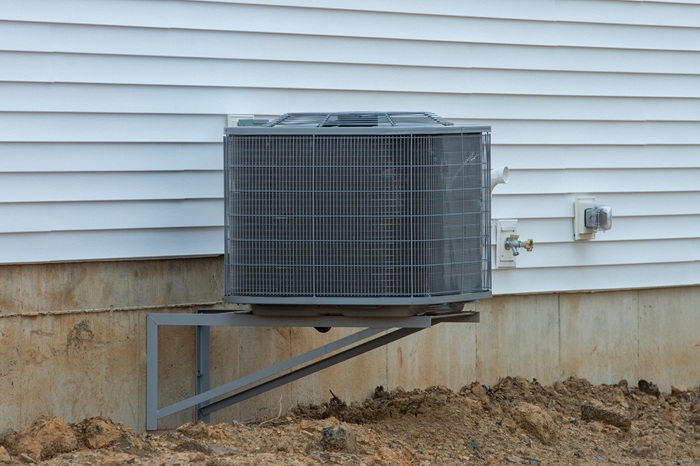
Choosing the right HVAC system size is one of the most important decisions for homeowners in Minnesota, where seasonal temperature swings place significant demands on both heating and cooling systems. A system that is too large or too small can create uneven temperatures, increase energy costs, and shorten equipment lifespan. In a region where winters are long and cold and summers can bring high humidity, proper HVAC sizing directly affects indoor comfort, system performance, and long-term efficiency.
Modern Plumbing & Heating understands that HVAC sizing is not just about square footage—it involves a careful evaluation of insulation, ductwork, and climate-specific needs. In this article, we’ll explore how system size impacts comfort and energy use, how professionals determine the correct capacity, and how factors like insulation, duct design, and Minnesota’s climate influence performance. Whether you're upgrading your heating system or evaluating your home's efficiency, understanding these fundamentals will help you make informed decisions.
What Happens When an HVAC System Is Oversized or Undersized?
An improperly sized HVAC system can significantly impact both comfort and energy efficiency. When a system is oversized, it tends to cycle on and off frequently, a process known as short cycling. This prevents the system from running long enough to evenly distribute air throughout the home, often leaving some rooms too warm while others remain too cold. In cooling mode, oversized systems also fail to remove adequate humidity, which is especially noticeable during Minnesota’s humid summer months.
Undersized systems present a different set of issues. When the HVAC unit lacks sufficient capacity, it must run continuously to try to reach the desired temperature. Even with constant operation, the system may never fully achieve setpoint temperatures during extreme weather conditions. This leads to uneven comfort, higher utility bills, and increased wear on system components due to prolonged operation.
In both cases, efficiency suffers. Oversized systems waste energy through frequent startup cycles, while undersized systems consume excess energy through extended runtimes. Over time, both scenarios can lead to premature equipment failure. Understanding the balance between system size and performance is critical, particularly when evaluating heating demands in cold climates like Minnesota.
How Professionals Calculate the Correct HVAC Capacity for a Home
HVAC professionals rely on standardized methods such as Manual J load calculations to determine the correct system size for a home. This process evaluates multiple variables, including square footage, ceiling height, insulation levels, window type and orientation, air infiltration rates, and local climate data. Rather than relying on rough estimates, this approach provides a precise measurement of heating and cooling loads.
Manual J calculations also account for internal heat gains from occupants, appliances, and lighting. By analyzing how heat enters and leaves the home, professionals can determine the exact amount of capacity required to maintain consistent indoor temperatures. This ensures the system operates efficiently without overworking or underperforming.
In Minnesota homes, where seasonal extremes are common, accurate load calculations are especially important. Oversimplified sizing methods can lead to systems that struggle during peak conditions. Proper calculation ensures both comfort and efficiency, particularly when designing systems for reliable cooling during humid summers.
How Insulation Impacts HVAC Performance
Insulation plays a critical role in maintaining indoor temperatures and reducing the workload on HVAC systems. High-quality insulation slows the transfer of heat between the interior and exterior of a home. In winter, it helps retain warmth, while in summer, it prevents heat from entering the living space. This reduces the amount of energy required to maintain comfortable conditions.
Homes with inadequate insulation experience greater heat loss in winter and heat gain in summer, forcing HVAC systems to work harder. This increased demand leads to higher energy consumption and uneven temperature distribution. In some cases, poor insulation can make even a properly sized system appear ineffective, as conditioned air escapes faster than it can be replaced.
Proper insulation also contributes to system longevity. By reducing the frequency and intensity of system operation, insulation helps minimize wear and tear on HVAC components. In climates like Minnesota, where temperature differences between indoor and outdoor environments can be extreme, insulation is a foundational element of efficient HVAC performance.
What Role Does Ductwork Design Play in System Efficiency?
Ductwork serves as the distribution network for conditioned air, and its design directly impacts HVAC system performance. Poorly designed ducts can restrict airflow, create pressure imbalances, and lead to uneven heating and cooling throughout the home. Even with a properly sized HVAC unit, inefficient ductwork can compromise overall system effectiveness.
Factors such as duct sizing, layout, sealing, and insulation all influence airflow efficiency. Undersized ducts can create excessive resistance, forcing the system to work harder to move air. Leaky ducts allow conditioned air to escape before reaching living spaces, reducing efficiency and increasing energy costs. Improperly balanced systems can also result in certain rooms receiving too much or too little airflow.
Well-designed duct systems ensure consistent air delivery and optimal system performance. In colder climates, duct insulation is particularly important to prevent heat loss as air travels through unconditioned spaces such as attics or basements. Effective duct design supports both comfort and energy efficiency by allowing the HVAC system to operate as intended.
How Minnesota Climate Conditions Influence HVAC Sizing Decisions
Minnesota’s climate presents unique challenges for HVAC system design. Winters are long and severe, with temperatures frequently dropping well below freezing, while summers can be warm and humid. These conditions require systems that can handle both high heating demands and effective humidity control during cooling seasons.
When sizing HVAC systems for Minnesota homes, professionals must account for peak heating loads that occur during extreme cold snaps. Systems must be capable of maintaining indoor comfort even when outdoor temperatures are at their lowest. At the same time, cooling systems must be properly sized to manage humidity without short cycling.
Regional climate data is a key component of load calculations, ensuring systems are tailored to local conditions. Homeowners seeking reliable year-round performance often rely on trusted providers like Modern Plumbing & Heating to ensure systems are designed with Minnesota’s environmental demands in mind.
Understanding how HVAC system size affects comfort and energy efficiency is essential for maintaining a reliable and cost-effective home environment in Minnesota. From avoiding the pitfalls of oversized or undersized systems to ensuring proper insulation and ductwork design, every factor plays a role in overall performance. Accurate system sizing based on detailed calculations helps create consistent comfort while reducing unnecessary energy use.
Modern Plumbing & Heating provides expert guidance to homeowners looking to optimize their HVAC systems. Whether you're evaluating system capacity, improving insulation, or addressing airflow concerns, their experienced team can help you make informed decisions. Call 763-639-1632 or contact us to learn more about improving comfort and efficiency in your home.