What Causes Buildup Inside Drain Pipes Over Time?
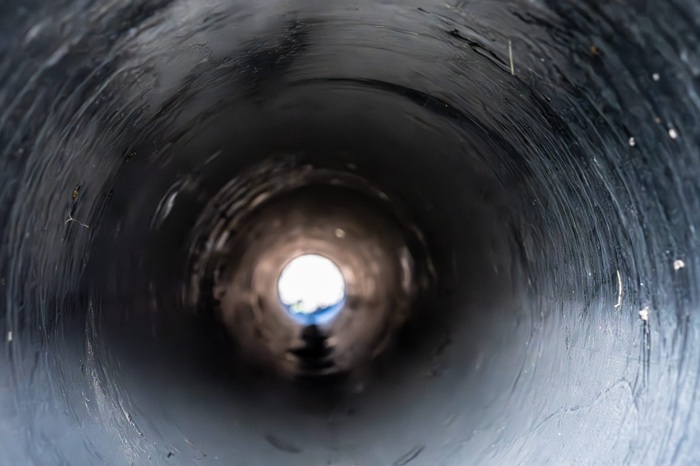
Drain pipes are designed to move wastewater efficiently, but over time, nearly every system develops some level of internal buildup. This accumulation does not happen overnight. It forms gradually as everyday materials—many of which seem harmless—begin to cling to pipe walls and restrict flow. From kitchen sinks to bathroom drains, substances like grease, soap residue, and mineral deposits interact with pipe surfaces in ways that lead to long-term performance issues. Understanding what causes this buildup is key to maintaining a reliable plumbing system and avoiding costly disruptions.
Modern Plumbing & Heating often highlights how routine household habits play a major role in the condition of drainage systems. This article explores the most common substances that accumulate inside pipes, how daily behaviors accelerate the process, and why factors like hard water and pipe materials influence buildup formation. It also examines the long-term effects on drain performance and plumbing infrastructure. Whether you're dealing with slow drains or simply want to prevent future issues, these insights will help you better understand the science behind pipe buildup. For additional context on system care, visit plumbing resources that explain how drainage systems function under real-world conditions.
Common Substances That Cause Drain Pipe Buildup Over Time
Drain pipe buildup is primarily driven by the gradual accumulation of organic and inorganic materials that adhere to pipe interiors. Grease is one of the most significant contributors. When fats, oils, and grease enter a drain in liquid form, they appear harmless. However, as temperatures drop inside pipes, these substances solidify and coat the pipe walls. This creates a sticky surface that traps other debris, accelerating buildup. Over time, this layer thickens and reduces the internal diameter of the pipe, restricting flow.
Soap residue also plays a major role. Many soaps contain fats and minerals that react with hard water, forming a substance commonly referred to as soap scum. This material adheres to pipe walls and combines with grease and other debris to form dense blockages. Food waste, particularly starchy or fibrous materials, can swell with moisture and become lodged in narrowing pipe sections. Even small particles that pass through initially can accumulate in areas where grease has already created a sticky surface.
Hair is another common contributor, especially in bathroom drains. It binds with soap residue and forms dense clumps that trap additional debris. Mineral deposits from hard water further compound the issue by forming scale along pipe interiors. These deposits reduce pipe diameter and create rough surfaces that encourage more buildup. Over time, this combination of materials leads to significant flow restriction and increased risk of clogs. For more technical insight into how these systems operate, resources related to plumbing provide useful context.
How Everyday Household Habits Accelerate Drain Clogging
Daily household behaviors have a direct impact on how quickly buildup forms inside drain pipes. One of the most common practices that contributes to clogging is pouring fats, oils, and grease down the drain. Even when followed by hot water, these substances eventually cool and solidify further down the pipe, where they begin to accumulate. Over time, repeated exposure creates a thick layer that restricts water flow and traps additional debris.
Improper disposal of food waste also accelerates buildup. While garbage disposals are designed to break down certain materials, they do not eliminate the risk of accumulation. Fibrous foods like celery, potato peels, and coffee grounds can clump together and adhere to pipe walls. These materials often combine with grease and soap residue, forming dense obstructions that are difficult to remove without mechanical drain cleaning.
In bathrooms, routine activities such as washing hair or using heavy soap products contribute to gradual buildup. Hair strands bind with soap scum and create tangled masses that restrict flow. Flushing inappropriate items, even those labeled as flushable, introduces materials that do not break down efficiently in plumbing systems. Over time, these habits create conditions that significantly increase the likelihood of clogs and reduced drainage efficiency.
How Hard Water Leads to Mineral Scale Inside Pipes
Hard water contains elevated concentrations of dissolved minerals, primarily calcium and magnesium. As water flows through pipes, these minerals can precipitate out of solution and adhere to pipe surfaces. This process, known as scaling, results in the formation of hard, chalky deposits that gradually build up along the interior walls of the pipe.
The formation of scale is influenced by temperature, pressure, and water chemistry. Heated water accelerates mineral precipitation, which is why buildup is often more pronounced in hot water lines. As scale accumulates, it reduces the effective diameter of the pipe and creates a rough surface that promotes further deposition. This not only restricts water flow but also increases friction, reducing overall system efficiency.
Over time, mineral deposits can become thick enough to significantly impair drainage performance. They also provide a surface for other materials, such as grease and debris, to adhere more easily. This interaction between organic and inorganic buildup compounds the problem, making it more difficult to restore full pipe capacity without specialized cleaning methods.
How Pipe Material and Age Influence Buildup Formation
The material and age of a pipe play a critical role in how buildup develops over time. Older pipes, particularly those made from cast iron or galvanized steel, are more susceptible to corrosion. As these materials degrade, they develop rough, uneven surfaces that trap debris more easily. Corrosion can also lead to flaking, which introduces additional particles into the system and accelerates accumulation.
Cast iron pipes, commonly found in older homes, are especially prone to internal scaling and rust formation. These conditions create an ideal environment for grease, soap residue, and organic matter to adhere. Over time, the combination of corrosion and buildup can significantly reduce pipe diameter and increase the likelihood of blockages.
In contrast, newer materials such as PVC have smoother surfaces that resist buildup more effectively. However, even these materials are not immune. Improper use, combined with factors like hard water and grease accumulation, can still lead to significant buildup over time. The interaction between material properties and environmental conditions determines how quickly these issues develop.
Long-Term Effects of Drain Pipe Buildup on Plumbing Systems
As buildup accumulates inside drain pipes, the most immediate effect is reduced water flow. This often presents as slow-draining sinks, tubs, or showers. While this may seem like a minor inconvenience at first, it is often an early indicator of more significant internal restrictions. As the buildup continues to thicken, the risk of complete blockages increases.
Persistent buildup can also lead to unpleasant odors. Organic materials trapped inside pipes begin to decompose, producing gases that travel back through the drainage system. These odors are often noticeable near drains and can indicate the presence of significant internal accumulation. In severe cases, buildup can create conditions that allow bacteria to thrive, further contributing to odor issues.
Over time, the structural integrity of the plumbing system may be affected. Increased pressure from restricted flow can place stress on pipe joints and connections. In older systems, this may contribute to leaks or pipe failure. Addressing buildup early is critical to maintaining system performance and preventing more extensive damage. For more information on system care and maintenance, visit Modern Plumbing & Heating.
Drain pipe buildup develops gradually, but its effects can become severe without proper attention. Modern Plumbing & Heating provides comprehensive solutions designed to address the root causes of buildup, from grease accumulation to mineral scaling and aging pipe systems. With extensive experience in diagnosing and maintaining residential plumbing systems, their team applies proven methods to restore proper flow and protect long-term system performance.
Whether dealing with slow drains, recurring clogs, or concerns about pipe condition, professional evaluation can identify underlying issues before they escalate. Modern Plumbing & Heating offers services that align with the technical demands of modern plumbing systems. Their approach focuses on accuracy, efficiency, and long-term reliability.
To learn more or schedule an evaluation, call 763-639-1632 or contact us. Addressing buildup early helps maintain system efficiency, reduce repair risks, and extend the life of your plumbing infrastructure.